

Why Musicians Are Being Encouraged to Think Like Founders
For much of the music industry’s history, artists and entrepreneurs were often viewed as occupying separate worlds.
One group created culture. The other built businesses.
Artists focused on writing songs, performing for audiences, and developing their craft. Business leaders handled contracts, distribution, marketing, and monetization. While there were certainly exceptions, the traditional structure of the industry often encouraged creators to concentrate on the artistic side while others managed the commercial aspects of their careers.
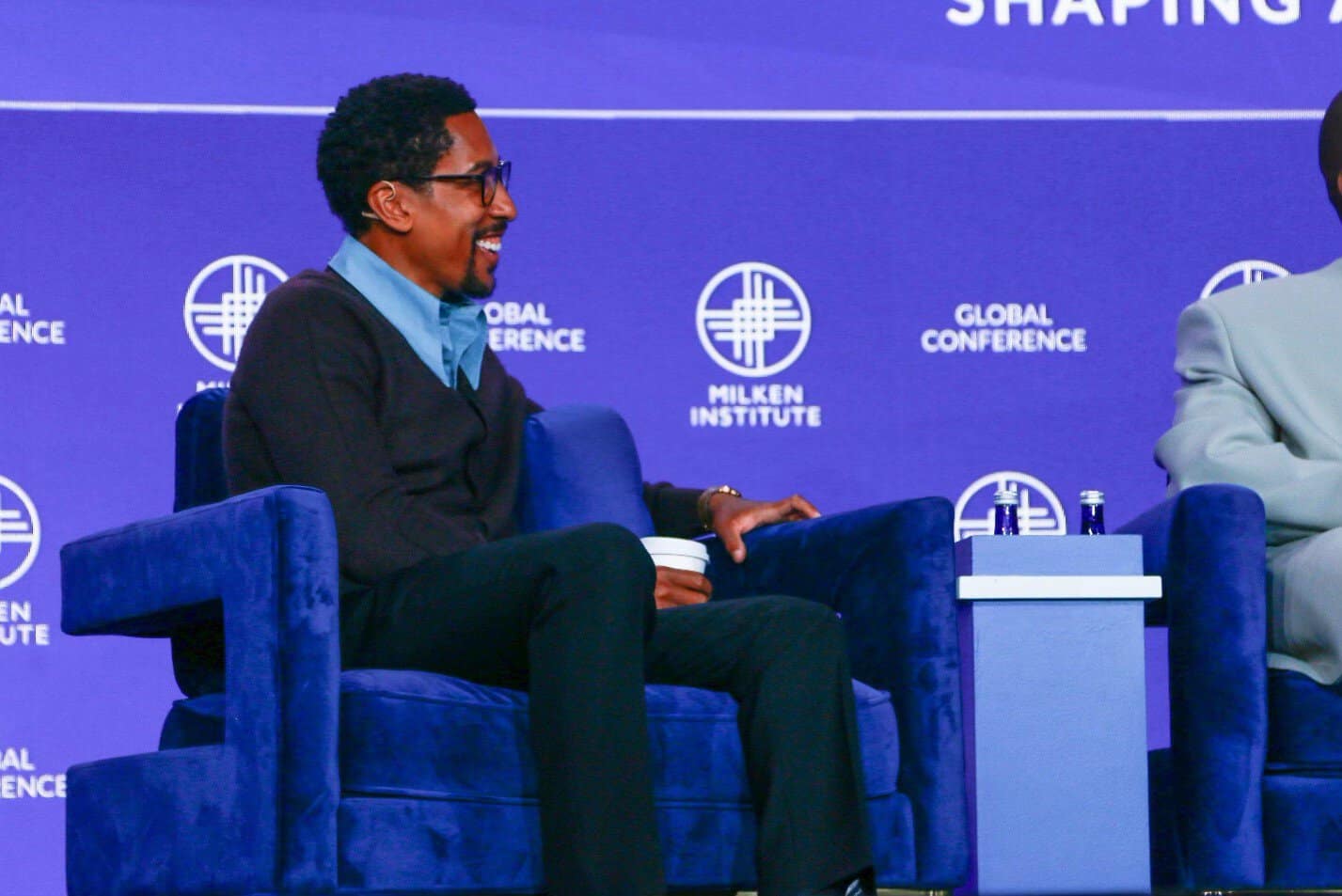
Larry Jackson believes that model is changing.
Throughout his career, Jackson has consistently advocated for a different vision of what it means to be an artist in the modern era. Rather than viewing musicians solely as performers, he has encouraged creators to think of themselves as founders, entrepreneurs, intellectual property owners, and business builders.
That philosophy has become one of the defining themes of his work and reflects a broader shift taking place throughout the entertainment industry.
As technology continues to reshape the relationship between creators and audiences, Jackson’s perspective is helping redefine what success looks like for a new generation of artists.
The Rise of the Creator Economy
The emergence of the creator economy has fundamentally altered the landscape of entertainment.
A generation ago, artists often relied on record labels, media companies, and traditional distribution channels to reach audiences. Today, creators have access to tools that allow them to build communities, distribute content, launch products, and engage directly with fans.
Streaming platforms have made music globally accessible. Social media has created direct communication channels between artists and audiences. E-commerce tools allow creators to sell products without traditional intermediaries. Digital content platforms have expanded opportunities far beyond music itself.
These developments have given artists unprecedented control over their careers.
Jackson has been one of the industry’s most visible advocates for helping creators take advantage of these opportunities.
Rather than viewing artists as participants in a system controlled by others, he encourages them to think like business owners operating within a rapidly expanding creator economy.
In this environment, an artist’s value extends far beyond a catalog of songs.
It includes their audience, brand, intellectual property, cultural influence, and ability to create opportunities across multiple industries.
Why Entrepreneurship Matters in Music
Entrepreneurship may not be the first word people associate with musicians, but Jackson argues that it should be.
Modern artists routinely make decisions that mirror those of startup founders.
They build audiences from scratch. They develop brands. They launch products. They negotiate partnerships. They manage teams and oversee creative direction.
In many ways, artists already function as entrepreneurs.
The difference is that not all creators have historically been encouraged to think about themselves in those terms.
Jackson’s philosophy centers on helping artists recognize the full scope of their economic potential.
A successful artist is not simply someone who creates music that people enjoy.
A successful artist is also someone who understands how to build long-term value around their creativity.
That mindset has become increasingly important as intellectual property emerges as one of the most valuable assets in modern entertainment.
From Cultural Influence to Business Ownership
One of Jackson’s most consistent messages is that cultural influence and business ownership should go hand in hand.
Artists often shape trends that extend far beyond music.
They influence fashion, social media, advertising, technology, and consumer behavior. Their ideas drive conversations and inspire entire industries.
Yet historically, creators have not always participated fully in the financial value generated by their influence.
Jackson has repeatedly highlighted this reality.
His work has focused on helping artists move beyond simply creating cultural moments and toward owning meaningful pieces of the businesses and assets connected to those moments.
Ownership creates opportunities that extend beyond immediate revenue.
It allows creators to participate in long-term growth, maintain greater control over their work, and build wealth that can continue generating value throughout their careers.
This shift from influence to ownership has become a central theme in Jackson’s broader vision for the future of entertainment.
Lessons From the Streaming Era
Jackson’s perspective has been shaped by his experience during one of the most transformative periods in music history.
While helping build Apple Music into a major force within the streaming ecosystem, he witnessed firsthand how technology changed the industry’s economics.
Streaming transformed access to music.
Listeners gained instant access to millions of songs. Artists gained global distribution. Independent creators could reach audiences without many of the barriers that previously existed.
At the same time, the streaming revolution revealed new questions about ownership, monetization, and long-term value creation.
Jackson observed that while distribution was becoming more accessible, ownership remained one of the most important determinants of long-term success.
The artists who understood their intellectual property and maintained meaningful participation in their assets often found themselves better positioned to capitalize on emerging opportunities.
These lessons would later influence many of the ideas he promotes today.
Gamma and the Founder Mentality
Jackson’s entrepreneurial philosophy became even more visible with the launch of Gamma.
The company was created around a vision that reflects many of the principles he has advocated throughout his career.
Rather than approaching artists solely as talent to be developed, Gamma emphasizes creator empowerment, intellectual property, and long-term value creation.
The company’s broader philosophy aligns with a growing trend in entertainment.
Increasingly, creators are looking for partners who understand that modern artists are not simply performers. They are business operators with interests that extend across multiple sectors.
An artist today may simultaneously release music, launch a consumer brand, create digital content, develop licensing opportunities, and engage directly with fans through social platforms.
Gamma’s model reflects an understanding of these realities.
By supporting creators as entrepreneurs rather than merely recording artists, the company represents a broader shift in how the industry views talent.
Intellectual Property as a Long-Term Asset
Perhaps no concept is more central to Jackson’s philosophy than intellectual property.
In today’s economy, intellectual property often serves as the foundation for long-term wealth creation.
A song can generate value through streaming, licensing, advertising, film placements, gaming integrations, merchandise, and future technologies that have yet to emerge.
The life cycle of a successful creative asset may extend for decades.
Jackson has consistently encouraged artists to view their catalogs through this lens.
Rather than seeing music solely as a product, he encourages creators to think of it as an asset capable of generating ongoing value.
This perspective changes how artists approach contracts, partnerships, and career decisions.
When intellectual property is viewed as a long-term asset, ownership becomes a critical component of strategic planning.
For entrepreneurs, ownership is often the primary mechanism through which wealth is created.
Jackson argues that artists should be thinking in similar terms.
Building Businesses Beyond Music
One of the most significant developments in modern entertainment is the growing ability of artists to build businesses beyond their core creative work.
Today’s creators frequently expand into new industries.
Some launch fashion brands. Others develop media companies, consumer products, technology ventures, or direct-to-consumer businesses.
Jackson sees these opportunities as a natural extension of an artist’s influence.
Rather than separating creativity from commerce, he encourages creators to integrate the two.
This approach reflects a broader understanding of how value is created in today’s economy.
Artists possess unique relationships with audiences. Those relationships can support a wide range of business initiatives when managed effectively.
The key, according to Jackson’s philosophy, is ensuring that creators maintain meaningful ownership and participation in those opportunities.
A Model for the Next Generation
As the entertainment industry continues to evolve, Jackson’s ideas are resonating with a new generation of creators.
Young artists entering the industry today often arrive with entrepreneurial instincts already in place.
They understand branding. They engage directly with audiences. They think strategically about content, distribution, and monetization.
Many are less interested in simply becoming famous and more interested in building sustainable careers.
Jackson’s blueprint aligns closely with these priorities.
His emphasis on ownership, intellectual property, entrepreneurship, and long-term value creation provides a framework for navigating an increasingly complex entertainment landscape.
Rather than relying solely on traditional measures of success, creators are being encouraged to think about how they can build durable businesses around their creativity.
Looking Ahead
The future of music will likely be shaped by more than great songs alone.
Technology, intellectual property, creator ownership, and entrepreneurship are becoming increasingly important components of success.
Larry Jackson has spent years highlighting these trends and encouraging artists to adapt accordingly.
His message is simple but increasingly influential: creators should think like founders.
They should understand their assets, build businesses around their intellectual property, cultivate direct relationships with audiences, and participate fully in the value they create.
As the boundaries between artist, entrepreneur, and business owner continue to blur, Jackson’s vision offers a roadmap for the next generation of creators.
In many ways, the blueprint he has championed represents a broader transformation taking place throughout entertainment—one where artists are no longer simply contributors to an industry, but architects of their own economic futures.
For Jackson, that shift may be one of the most important developments shaping the future of music.
