
March 30, 2026, 2:04 p.m. MT
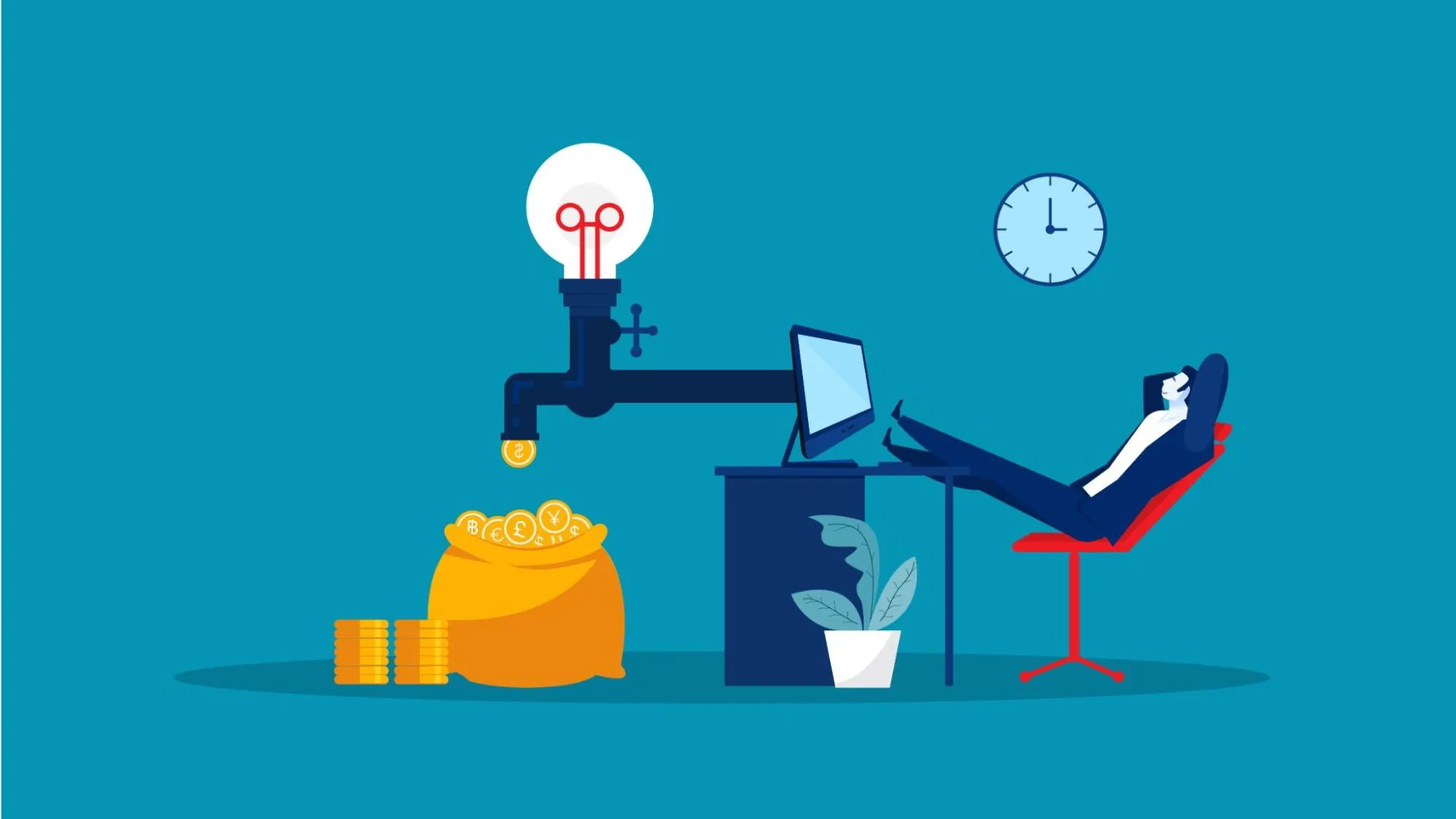
In a changing economy, people who live in small and large communities are exploring passive income options and strategies, as they strive to find ways to build more financial resilience. Traditional savings tools are taking a back seat, as digital currency joins traditional passive income sources in the quest to create revenue.
Rising costs are driving this shift into higher inflation and less stable and reliable incomes. Assets, at the same time, are now more productive with better access to digital financial tools and growing interest. In this environment, essential elements to income-generating strategies are education, caution, regulation, and risk management, which are important to both mainstream and digital assets.
The way people think about earning money is changing. For generations, financial stability was tied closely to steady employment, careful budgeting, and long-term saving. These fundamentals still matter to income-earners, but many individuals are now saddled with searching out new ways to generate income, with a focus on strategies outside of active work. In both cities and towns, people are burdened with daily bills and the need to put food on the table, as traditional jobs grow harder to grasp.
This growing interest in passive income reflects broader economic changes. The problems that modern earners face, such as the rising living costs and fluctuating interest rates, meet a valiant foe in increased access to digital tools, a positive that encourages people to rethink how money can work for them.
Why Passive Income Gets Attention
Passive income is not a new concept. The common methods that independent business owners use to earn money have not changed, as people turn to rental properties, dividend-paying stocks, and interest-bearing accounts for important additional income. The big change is the accessibility of these opportunities.
Technology has opened up new avenues that allow regular individuals to participate in financial systems that were once limited to institutions or experienced investors. Online platforms give users the power to manage investments, track returns, and explore new asset classes remotely from their phones or computers.
Thanks to digital platforms, passive income is no longer viewed only as money reserved for a select few. It is an expected part of traditional financial planning.
Expanding Beyond Traditional Income Options
Traditional passive income has limitations, a reality that has become more apparent in recent years. The methods, however, remain relevant. Savings accounts, as a common example, provide returns that have trouble keeping up with inflation, especially today. In this atmosphere, many investors search for alternatives that offer greater potential.
The best alternative, now a standard investment, is digital assets. Once seen as a speculative investment, cryptocurrency is now in a mainstream expansion for its broader financial applications.
This gained understanding has created a wider range of ways people can engage with these assets. They don’t just hold them, but also integrate them into income-generating strategies.
Holding Digital Assets Turns Into Residual Income
One notable shift in financial behavior is the move from passive ownership to active utilization. People don’t just want to acquire assets; they also want to make them productive.
Investors are no longer satisfied with simply holding digital assets. Instead, there’s a growing focus on making those assets work harder, through lending, liquidity participation, and approaches such as staking Bitcoin with Kraken. These options reflect a broader shift toward income-oriented crypto strategies. This evolution mirrors trends in traditional finance, where capital is expected to generate returns rather than remain idle. In the digital asset space, this education includes how platforms structure rewards, liquidity is managed, and participation contributes to overall system activity.
Income Impact and Everyday Relevance
The rise of modern passive income strategies is not limited to large financial hubs. These ideas are increasingly applied by individuals in practical ways, with a visible impact in local communities. Small business owners, freelancers, and households are all exploring methods to diversify their income streams. In some cases, the best-case scenario is supplementing primary earnings with additional income. For others, who are more independent and can invest more time and revenue, this is a chance for greater financial freedom. The appeal is straightforward: creating income that continues over time can provide stability in an otherwise unpredictable economic environment.
Balancing Income Opportunity With Risk
Any financial strategy comes with risks, and passive income opportunities are clearly in this category. Digital assets, in particular, can be volatile, and not all platforms offer the same level of reliability or transparency.
This obvious consideration leads many individuals to take a cautious approach. They start with small investments, diversify their portfolios, and prioritize understanding different systems before a major investment. Risk management is a key part of the process. The goal is twofold: to increase income, but also to support long-term financial security.
Financial Education and Digital Asset Awareness
The growth of passive income strategies has been supported by an increase in financial education. Online resources, community discussions, and accessible tools are helping people better understand their options.
In local communities, this knowledge often spreads through conversations, whether among friends, family members, or online networks. As more individuals share their experiences, others gain the confidence to explore new approaches.
This collective learning environment is helping to make financial strategies that once seemed complex more approachable.
Regulatory Oversight and Consumer Protection
As new financial tools gain popularity, regulatory oversight becomes increasingly important for user protection. This is a priority for both governments and institutions to ensure systems operate transparently and that user protections are in place.
In the United States, regulatory organizations provide guidance on investment practices and market behavior. As digital assets continue to evolve, these frameworks play a role in promoting accountability and informed participation.
Investors who understand the regulatory landscape can make more reliable and confident financial decisions.
An Evolving Financial Mindset
Perhaps the most significant aspect of this digital investment trend is the mindset shift. Money is no longer just something to earn and save; people see it can be actively managed and optimized.
This perspective encourages greater engagement with financial tools and a more strategic approach to long-term planning. It also reflects a growing awareness that workers who rely on a single source of income in today’s economy might find it insufficient.
Increased interest in passive digital income strategies is likely to continue as financial systems become more interconnected. What was once considered an advanced, radical approach is now becoming part of everyday financial thinking.
For individuals in local communities, this presents both opportunities and responsibilities. By staying informed, approaching new tools with caution, and maintaining a focus on long-term goals, they can make the most of online platforms and digital asset offerings.
In the end, passive income is not about replacing traditional work; it is about complementing it. It provides potential for added financial resilience, helping individuals consider ways to build a more stable income base in a changing world.
Investing involves risk and your investment may lose value. Past performance gives no indication of future results. These statements do not constitute and cannot replace investment advice.
The information provided in this article is for general informational and educational purposes only. It is not intended as legal, financial, medical, or professional advice. Readers should not rely solely on the content of this article and are encouraged to seek professional advice tailored to their specific circumstances. We disclaim any liability for any loss or damage arising directly or indirectly from the use of, or reliance on, the information presented.
