

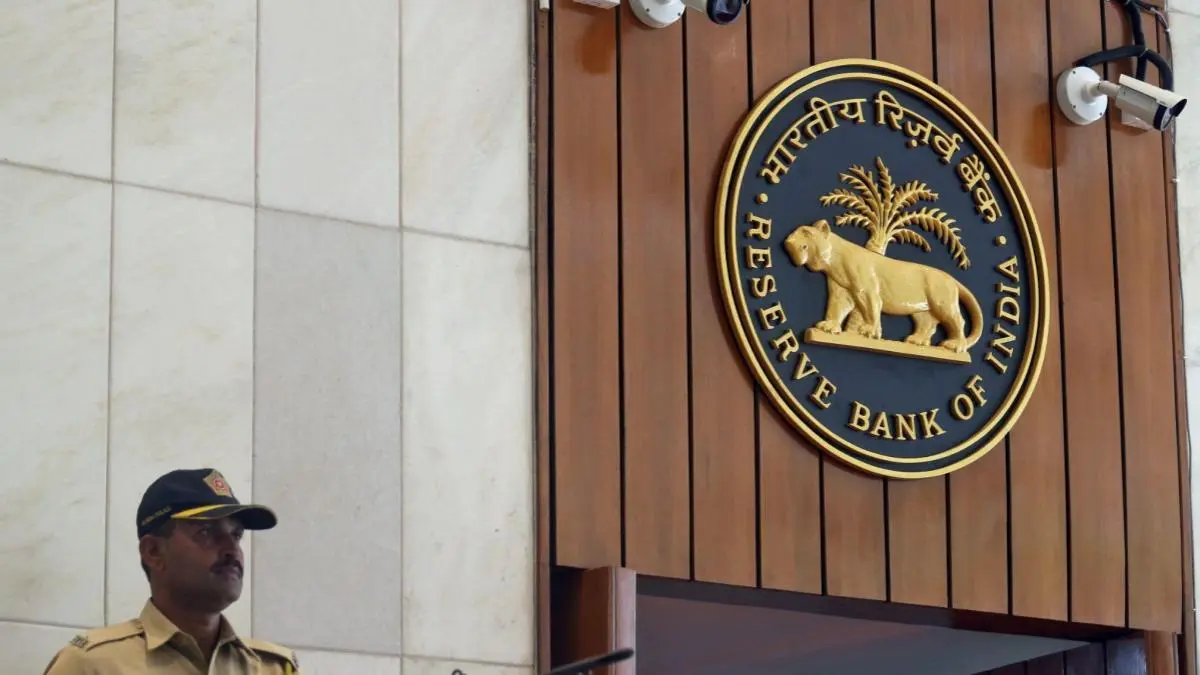
The RBI on Monday tighteded regulations with regard to sale of financial product or services by banks and regulated entities (REs). The move is aimed at curbing mis-selling of financial products by lenders, banning deceptive marketing tactics and tightening norms around customer consent, disclosures and sales practices.
Revised guidelines will now come into effect from January 1, 2027, instead of July 2026, as the central bank has cited the need for technical and operational changes.
According to the guidelines, banks must obtain explicit customer consent and ensure product suitability before offering or selling any product or service. Consent may be secured through signed declarations, OTP-based approvals, digital confirmations, or clearly designated consent clauses in agreements.
The central bank has banned the use of “dark patterns” in digital interfaces, defining them as design or user-experience techniques that mislead or trick customers into taking actions they did not intend.
“In cases where mis-selling of a financial product/service is established, the bank shall refund the entire amount… and also intimate the customer about cancellation of the sale,” the RBI said.
It said influencers, affiliates, loan service providers, and other digital marketing intermediaries involved in promotion or customer acquisition will be treated as direct selling agents or direct marketing agents, with regulated entities remaining accountable for their actions.
On employee incentives, the RBI clarified while third parties cannot offer incentives to employees of regulated entities, such entities may still provide incentives to their own staff. The RBI added that the objective of the provision is to ensure that the incentive structures do not lead to aggressive sales practices or mis-selling of products.
The RBI has also asked banks to formulate a comprehensive policy for advertising, marketing and sales of its own as well as third-party financial products or services.
