

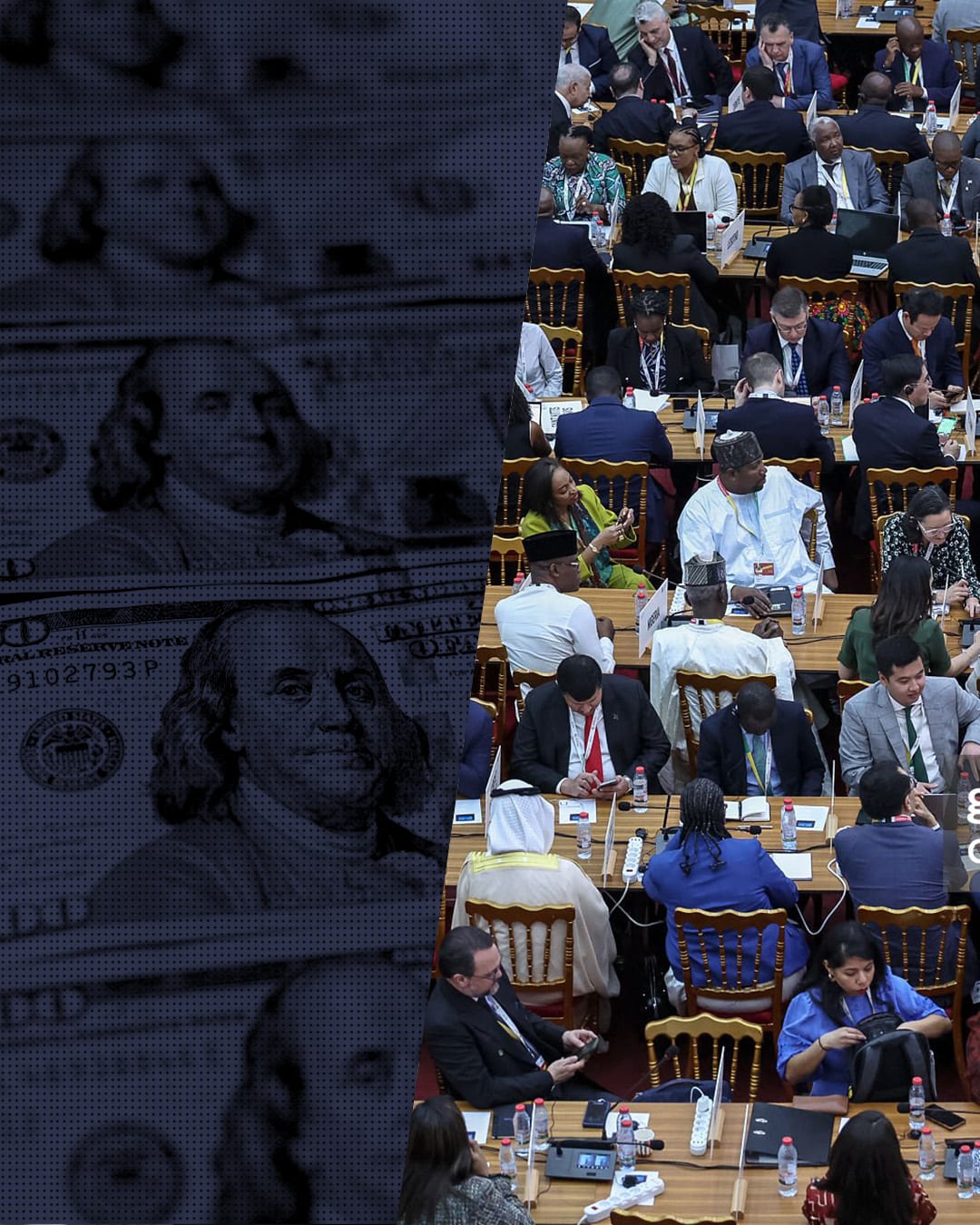
Three paths define the range of possible futures, each with its own promise and peril. The first would aim to preserve as much global economic integration as possible to minimize disruption to existing markets, business models, and supply chains. In this “Globalization 2.0,” governments would manage intensifying geopolitical competition by agreeing to shared rules and norms to constrain the use of sanctions, tariffs, and export controls. One could imagine a kind of Geneva Convention for economic warfare, placing explicit limits on coercive economic measures, alongside “arms control” agreements in which governments commit to restraining the use of their most powerful tools. At the same time, great powers would develop more explicit economic deterrence doctrines to discourage rivals from violating those rules.
Attractive as this path may seem on paper, it would be the hardest to pursue in practice. It would require, at a minimum, the United States and China to reach a level of accord that has proved elusive for years. It would also require U.S. presidents to exercise restraint in unprecedented ways. A major reason economic warfare is so appealing in Washington is that the president has broad legal authority to deploy it—and it is often seen as preferable to the alternatives: doing nothing or resorting to military force.
