

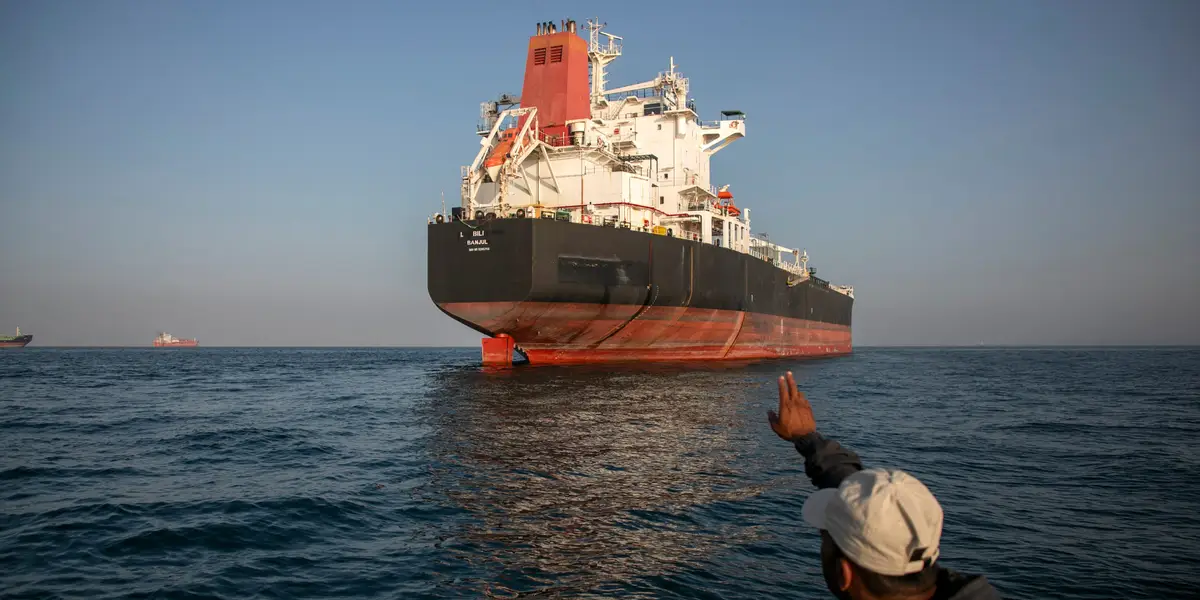
Iranian is turning to bitcoin to insure ships looking for passage through the Strait of Hormuz.
As the Iran war drags on toward the end of it third month, Fars News Agency, a Iranian government-affiliated news outlet, reports that the country has launched a shipping insurance service backed by bitcoin for Iranian ship. It cited documents that came from the Iranian Ministry of Economy and Financial Affairs.
“Cryptographically verifiable insurance policies will be provided for shipments passing through the Persian Gulf, the Strait of Hormuz, and the surrounding waterways, and payments will be settled in Bitcoin,” Fars wrote.
This initiative has been named Hormuz Safe. It is unclear how exactly it would work, though Fars noted that the Iranian government thinks it could generate as much as $10 billion in revenue. A report from Bloomberg stated that Iranian business magnate Babak Zanjani, a billionaire who has been accused of embezzling money from Iran’s oil ministry, first began promoting the idea on his social media on May 8.
The development comes as tensions between the US and Iran have yet to cool. President Trump’s attempts to pressure Iran into reaching a deal to end the war have failed to yield lasting results, and traffic through the Strait of Hormuz remains highly restricted.
Oil prices have been severely impacted but so has shipping for many other things, including fertilizer, helium, and petrochemicals.
According to data from digital asset manager Coinshares, bitcoin use in Iran has spiked significantly during the conflict.
“Around 14 million Iranians, roughly one in six, use Bitcoin, with annual transaction volumes growing 11.8% year-on-year and now representing ~2.2% of Iranian GDP,” sanalyst Chris Bendiksen said.
However, the feasibility of using bitcoin to ensure a shipping service through a highly restricted chokepoint is far from certain. Traffic through the waterway is still at a near-standstill, and both the US and Iran have said that they will continue to block the passage of ships look to transit the Strait.
On top of that, the possibility of sanctions may also complicate things for ship owners. The risk of violating US sanctions by using a system connected to Iranian shipping may be too high-risk for companies with global networks of shipping routes.
