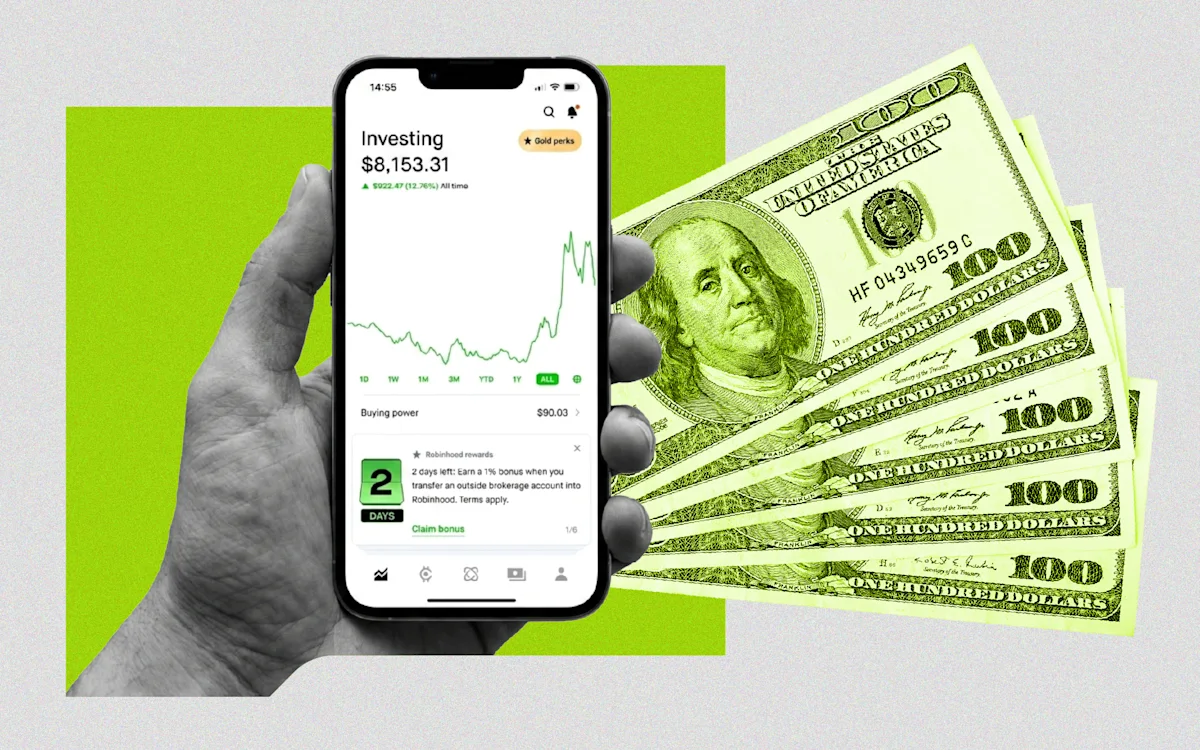
Robinhood Chain may generate modest Ethereum fees today, but its tokenized stocks could onboard millions of new users into Ethereum. | Credit: CCN.com
Key Takeaways
Robinhood Chain is an Ethereum Layer-2 designed for tokenized real-world assets, starting with tokenized US stocks.
The network generated roughly $843,000 in user fees while paying only about $1,600 to the Ethereum network.
The bigger opportunity is user onboarding rather than fee generation, as Robinhood could introduce millions of mainstream investors to Ethereum-based finance.
Robinhood’s recently unveiled Robinhood Chain has sparked debate across the crypto industry, not because of how much revenue it generates for Ethereum, but because of how little it currently pays the network in fees.
Robinhood Chain users generated roughly $843,000 in transaction fees while the Layer-2 network paid only around $1,600 to Ethereum for data availability and settlement.
Critics have pointed to the imbalance as evidence that Layer-2 networks extract value from Ethereum without giving much back.
However, focusing solely on fee generation may miss the larger strategic picture.
What Is Robinhood Chain?
Robinhood Chain is an Ethereum Layer-2 blockchain that Robinhood developed to power tokenized real-world assets and onchain financial products.
Instead of relying on a traditional brokerage ledger, Robinhood lets users hold tokenized assets directly in Robinhood Wallet. Users can trade those assets, transfer them onchain, and eventually use them across decentralized finance applications.
The first major use case is tokenized US equities.
Instead of purchasing conventional broker-held shares, eligible users can own blockchain-based representations of publicly traded companies.
These assets are designed to move beyond the limitations of traditional brokerage accounts. In fact, they enable 24/7 transfers, self-custody, and future interoperability with decentralized applications.
Robinhood has positioned the network as a bridge between traditional finance and blockchain infrastructure. This makes tokenized stocks available to users in markets where direct access to US equities has historically been limited.
The approach differs from simply offering crypto trading inside a brokerage app.
Rather than keeping users inside a closed financial ecosystem, Robinhood Chain introduces them to assets that exist natively on blockchain infrastructure.
Real Value May Not Be Ethereum Fees
Much of the criticism surrounding Robinhood Chain centers on Ethereum’s economics.
Because Layer-2 networks batch thousands of transactions before settling them on Ethereum, they dramatically reduce users’ costs while paying relatively modest fees to the underlying blockchain.
In Robinhood Chain’s case, approximately $843,000 in user fees translated into only about $1,600 paid to Ethereum during the observed period.
On the surface, that appears to support arguments that Layer-2s capture most of the economic value while Ethereum receives only a small share.
Instead, the network increasingly functions as a secure settlement layer supporting a growing ecosystem of Layer-2 applications that compete to attract users, developers, and assets.
From that perspective, Robinhood Chain could expand Ethereum’s addressable market far more than it expands short-term fee revenue.
Millions of Robinhood customers who have little or no experience with blockchain may interact with Ethereum infrastructure for the first time. They won’t need to understand bridges, wallets, or gas fees.
That kind of user acquisition may ultimately prove more valuable than a temporary spike in Layer-1 revenue.
Robinhood Could Become Ethereum’s Largest Distribution Platform
The biggest opportunity lies in what happens after users purchase tokenized stocks.
For many international investors, buying US equities has traditionally required local brokerage relationships, limited trading hours, and expensive cross-border financial infrastructure.
Robinhood’s tokenized assets remove many of those barriers while introducing investors to blockchain-based ownership.
Once those users are comfortable managing assets onchain, the broader Ethereum ecosystem becomes significantly more accessible.
Tokenized stocks could eventually serve as collateral in lending protocols and trade on decentralized exchanges. They may also interact with stablecoins or become part of broader decentralized investment strategies.
A user who initially joins Robinhood Chain to buy shares of Apple or Nvidia may later discover decentralized borrowing, automated market makers, perpetual futures or tokenized Treasury products.
That progression is what makes Robinhood Chain strategically significant.
Rather than competing directly with Ethereum, the network may serve as a distribution layer, continuously feeding new users into Ethereum’s broader financial ecosystem.
The debate, therefore, should not be on how much Robinhood Chain pays Ethereum today. The more important question is whether it can onboard millions of traditional investors into onchain finance.