

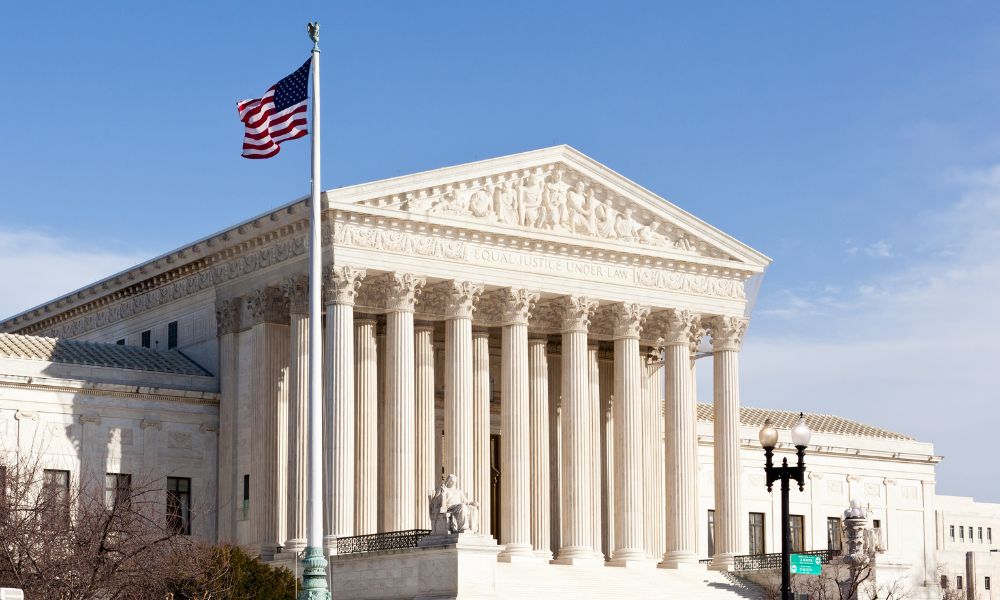
Saba pushed; the justices pushed back – and the SEC keeps the gavel.
Activist investors just lost a favorite tool. The Supreme Court says they cannot sue funds under one key piece of federal fund law.
On June 11, 2026, the justices ruled that Section 47(b) of the Investment Company Act does not let private parties sue to undo contracts that allegedly break the Act. The fight pitted Saba, a prominent activist investor, against FS Credit Opportunities Corp. and other closed-end fund managers. The ruling wiped out a win Saba had banked in the lower courts.
Start with how we got here. Saba runs open-end funds and practices activist investing. It buys large stakes in underperforming closed-end funds, then pushes to reshape them or turn them into open-end funds. The FS funds are incorporated in Maryland, which has a law – the Maryland Control Share Acquisition Act – that lets funds curb the voting power of shareholders holding an outsized block of shares unless other shareholders approve. The FS funds opted into it. That choice takes the air out of an activist’s leverage.
In June 2023, Saba sued. It said the resolutions break the ICA’s rule that every share carry equal voting rights. To get through the courthouse door, Saba relied on Section 47(b), which says a court “may not deny rescission” of a violating contract “at the instance of any party.” Saba read that as a green light to sue. A District Court agreed and handed Saba summary judgment. The Second Circuit went along.
The Supreme Court saw it differently. Justice Barrett, writing for the majority, said Section 47(b) talks to courts, not to people. It guides how a judge uses the power to unwind a deal once a party is already in front of the court asking for it. It does not, the Court held, create a right to sue from scratch.
Structure backed that up. Congress made the SEC the ICA’s primary enforcer, with authority to investigate and bring cases. When Congress wanted private suits, it spelled them out – the Act carries two such rights already. A 1980 amendment that cut the old “shall be void” wording clinched the reading.
What does this mean for the fund business? Enforcement of most ICA provisions flows through the SEC, not through private parties using Section 47(b). Closed-end funds fending off activist pressure gain a firmer defense. Activists lose a route they had used to attack takeover protections. Justice Kagan and Justice Jackson dissented, with Justice Sotomayor joining Jackson. The case heads back to the lower courts.
